
Decarbonisation commitments, ageing grid infrastructure, and a surge in AI-driven electricity demand are colliding in ways the energy sector has never encountered simultaneously. The organisations managing this transition well are investing in digital capabilities as urgently as they are investing in generation capacity.
The electricity grid that powers most of the developed world was engineered around assumptions that no longer hold. Power flows in one direction from large centralised generation to passive consumers. Demand grows predictably. The generation mix is stable enough that grid operators can plan capacity with reasonable confidence years ahead. Every single one of these assumptions is being invalidated simultaneously in 2025 — and the digital infrastructure required to manage the resulting complexity is the most consequential technology investment the energy sector has ever faced.
This is not a crisis in the conventional sense. It is a structural transformation driven by forces that are individually welcome — the rapid deployment of renewable energy, the electrification of transport, the growth of distributed solar generation, the rise of battery storage. The challenge is that each of these forces introduces variability, bidirectionality, and operational complexity that analogue grid management systems were simply not designed to handle. The digital transformation of the energy sector is not optional and it is not gradual. It is an operational necessity driven by physics, policy, and market economics converging at the same moment.

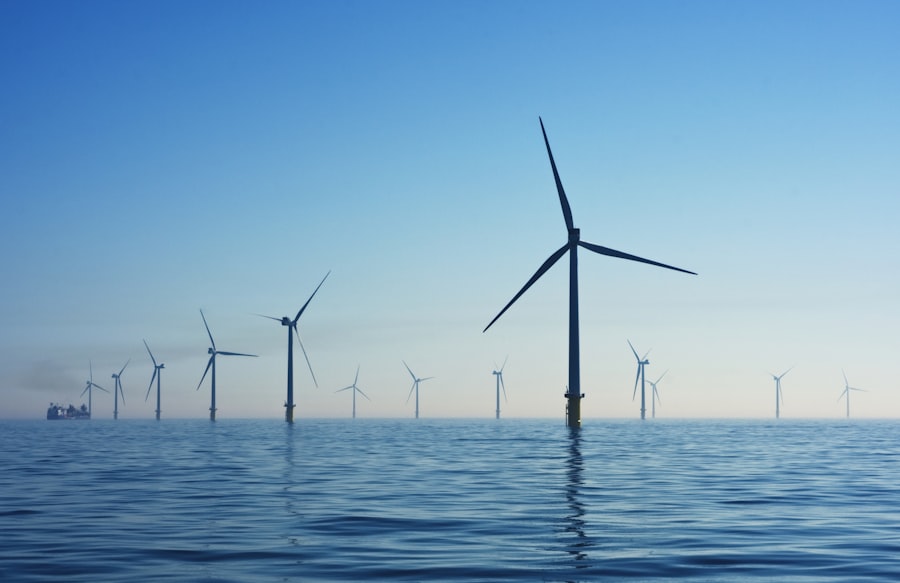
The transition to a renewable-dominated grid is driving unprecedented investment in digital infrastructure — smart meters, AI-powered forecasting, and advanced grid control systems are becoming essential operational technology rather than experimental investments. Image: Unsplash (free for commercial use — download and host locally before publishing).
The Demand Surge Nobody Fully Planned For
For most of the last decade, electricity demand in developed economies was flat or declining. The result of efficiency improvements in buildings, appliances, and industrial processes outpacing modest growth in consumption allowed grid operators to plan capacity around a relatively stable outlook. That assumption has been overturned with unusual speed in 2025, and the organisations caught flat-footed by the shift are now scrambling to respond.
The IEA projects global electricity demand will grow by 4 percent annually through 2026 — a rate not seen since the early 2000s. Two forces are driving this acceleration faster than most utilities anticipated. AI data centres are the more immediately acute pressure. The computational demands of training and running large language models are extraordinary by historical standards. Goldman Sachs research estimated that a single AI query consumes approximately ten times the electricity of a standard web search. Multiplied across billions of daily queries and the data centre infrastructure being built globally to support the AI economy, this represents a demand increment that grid operators in the United States, Europe, and Asia have described as the most significant capacity planning challenge they have faced in decades. In Northern Virginia alone — the largest data centre market in the world — power availability has become the primary constraint on new development, with utilities unable to provide connection commitments on timelines the market requires.
Electric vehicle adoption is adding a different kind of complexity. Total EV electricity demand is manageable in aggregate, but the timing and location of charging creates sharp evening demand peaks and localised distribution network constraints that unmanaged charging compounds. Utilities deploying smart charging infrastructure and demand response programmes are navigating this transition significantly more smoothly than those relying on passive consumption growth forecasts built before EV adoption accelerated.
The Grid Was Designed for a World That No Longer Exists
The physical infrastructure of the grid in most developed economies was built between the 1950s and the 1990s. The average age of transformers in the US network exceeds forty years. Control systems managing transmission and distribution in many jurisdictions were designed for large, predictable, dispatchable generation — coal, gas, nuclear — that could be ramped up and down on operator command to match consumption at any moment.
A grid with high renewable penetration has fundamentally different operational characteristics. Generation is intermittent and weather-dependent, changing over minutes rather than hours. Power flow is increasingly bidirectional as distributed solar and battery storage inject generation into distribution networks designed for one-way flow. Voltage and frequency management — the core operational functions of grid stability — become significantly more demanding in this environment and require digital sensing, communication, and control capabilities operating at speeds and scales that analogue infrastructure cannot support.
Modern energy control rooms are being transformed by AI-powered real-time analytics — enabling grid operators to manage the complexity of renewable-dominated systems that conventional operational tools were never designed to handle. Image: Unsplash (free for commercial use — download and host locally).
What Smart Grid Technology Means in Operational Terms
Smart grid is used broadly enough to encompass almost any digital technology applied to electricity infrastructure. Understanding what it specifically means operationally — and which components are delivering the most immediate value — matters for any organisation working in or selling into the energy sector.
Advanced metering infrastructure is the foundational data layer. Half-hourly or more frequent consumption data from every connected premises provides the granular demand visibility that accurate forecasting, dynamic pricing, and demand response programmes require. The UK completed its residential smart meter rollout by 2024. The United States and continental Europe are at varying stages of deployment. The data generated, combined with weather inputs and AI-powered forecasting models, enables the short-term demand prediction accuracy that makes variable renewable generation operationally manageable at scale.
Distribution automation — sensors, automated switching, and control systems deployed across the distribution network — enables utilities to detect and isolate faults faster, reconfigure network topology automatically to restore supply around damaged sections, and manage the bidirectional power flows that distributed generation creates. Distribution faults account for the majority of customer outage minutes, and automation reduces both the frequency and the duration of outages in every documented deployment. The business case is consistent and the investment is large.
AI-powered grid management is the layer advancing most rapidly right now. Machine learning systems that forecast renewable generation output, optimise dispatch decisions across mixed generation portfolios, predict equipment failures before they occur, and manage real-time supply-demand balancing are transitioning from research and pilot programmes to operational deployment across leading grid operators. The complexity of managing a high-renewable grid with distributed storage, flexible demand, and interconnection with neighbouring systems has exceeded what human operators with conventional tools can manage optimally. AI is not augmenting grid management here — it is becoming a prerequisite for safe and efficient operation.
Cybersecurity for operational technology deserves separate emphasis. The energy sector experienced a 500 percent year-over-year increase in ransomware attacks in 2025 — the largest spike of any sector tracked. The connectivity enabling smart grid functionality also creates attack surfaces that did not exist when operational systems were air-gapped from enterprise networks. Securing grid control systems against threats specifically targeting energy infrastructure is a regulatory requirement with enforcement teeth in every major market, and it is a vendor selection criterion that increasingly determines which technology suppliers progress past initial evaluation.
Decarbonisation as an Integrated Technology Programme
The decarbonisation commitments embedded in national energy policies require a pace of renewable deployment and grid modernisation that is genuinely without historical precedent. The IEA Net Zero scenario requires adding the equivalent of the entire current US power system in renewable capacity every year for the next decade. Even the more modest near-term targets in national energy plans require capital deployment and project execution at rates stretching supply chains, workforces, and permitting processes simultaneously.
The cost reductions that have made this deployment economically viable are striking. Solar generation costs have fallen approximately 90 percent over the last decade. Wind costs have fallen nearly 70 percent. Battery storage costs have followed a similar trajectory. Renewable deployment is now economically competitive without subsidy in most markets for the first time — which has accelerated the investment cycle beyond what policy timelines alone would have produced.
The constraint that is less visible but equally real is the digital infrastructure required to integrate this generation. The forecasting systems, grid flexibility mechanisms, demand response programmes, and interconnection infrastructure needed to manage high renewable penetration are running behind the pace of capacity deployment in most markets. Adding renewable capacity faster than the grid can absorb its variability creates curtailment — forcing generators to turn off because the system cannot use their output — and reliability risks when the generation mix becomes more variable than the grid's balancing capabilities can manage.
The energy companies navigating this transition most effectively treat decarbonisation as an integrated programme rather than a renewable build target. They invest in grid flexibility — demand response, storage, interconnection — at the same time as generation. They modernise operational technology in parallel with building new assets. And they develop the data and analytics capabilities needed to operate a more complex system before that complexity arrives, rather than building operational capability after the transition has already outrun it.
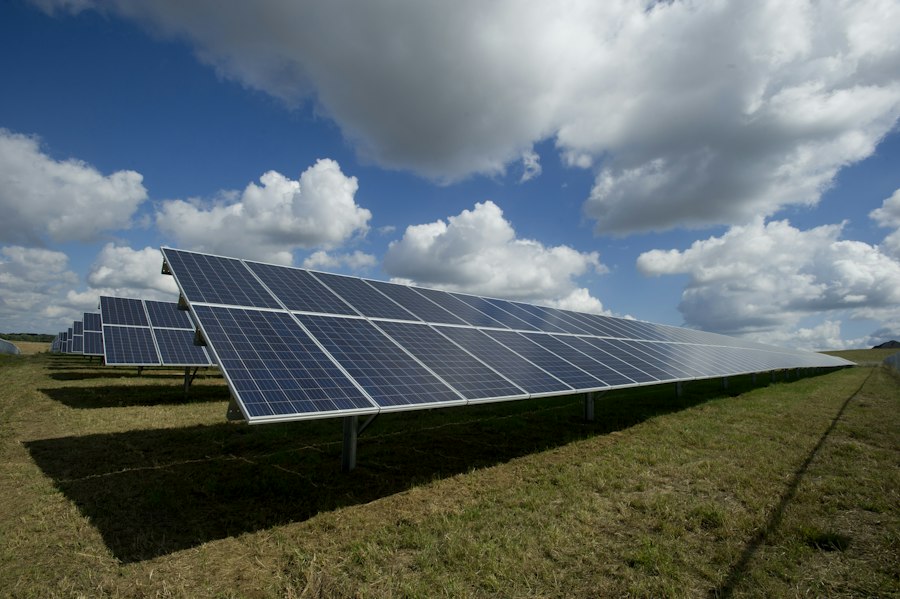
The economics of renewable energy have reached the point where deployment is accelerating faster than the digital grid infrastructure needed to manage it — the organisations investing in both simultaneously are the ones managing the transition smoothly. Image: Unsplash (free for commercial use — download and host locally).
The Workforce Challenge Running Underneath Everything
The energy sector's digital transformation is constrained by a factor that receives less attention than capital investment but is equally determining: the people required to build, operate, and maintain a digitally transformed energy system are not available in sufficient numbers, and the skills gap is widening faster than training programmes are closing it.
Utility workforces are ageing. A significant proportion of experienced engineers and operators who understand how existing grid infrastructure actually works are approaching retirement over the next five to ten years. The institutional knowledge embedded in these individuals — critical for maintaining operational continuity during rapid transformation — is leaving the industry at a rate that documented knowledge transfer programmes are struggling to match. At the same time, the skills a digitally transformed energy system requires — data science, software engineering, cybersecurity, AI operations — compete directly with every other technology sector, which typically offers compensation that regulated utility structures find difficult to match.
The energy organisations navigating this most effectively are combining technology investment with workforce strategy as a connected problem. They use digital tools — AI-assisted diagnostics, augmented reality for field maintenance, automated monitoring — to extend the capacity of existing workforces rather than relying on headcount growth that the market cannot supply. They build university and technical college partnerships to create pipelines for the specific skills the sector requires. And they design new digital systems with operability by non-specialist users as a genuine requirement, rather than deploying technology that only a specialist who does not yet exist in sufficient numbers can maintain.
What Technology Providers Selling Into Energy Need to Understand
For technology vendors whose solutions are relevant to the energy sector's digital transformation, the current investment environment is exceptional. Capital spending on grid modernisation, renewable integration, and digital operational technology is growing at rates that reflect the structural nature of the challenge rather than a cyclical increase in discretionary IT budget.
Selling into this market effectively requires understanding what is specific to it. Procurement cycles are long — energy infrastructure decisions involve regulatory approvals, long-term planning horizons, and procurement processes designed for capital assets rather than software subscriptions. Vendors who approach utility procurement with the sales motion appropriate for enterprise SaaS consistently underestimate the relationship development and technical validation work required before a commercial conversation is productive.
Operational technology security requirements are non-negotiable. Any solution touching grid control systems must meet standards — NERC CIP in North America, NIS2 in Europe — that are more demanding than general enterprise security requirements and are enforced by regulators with real authority and meaningful penalties. Vendors who have not made this investment will not progress past the pilot stage regardless of the functional merit of their technology.
Interoperability with existing systems is the deciding factor in most procurement decisions. Energy companies have made decades of operational technology investment that cannot be replaced overnight. The vendors whose solutions integrate with and augment existing infrastructure — rather than requiring wholesale replacement — consistently win more deployments than those whose pitch assumes a greenfield environment that almost never exists in practice.
The energy sector's digital transformation will be one of the defining technology investment cycles of this decade. The organisations approaching it with genuine sector knowledge, patience for long procurement cycles, and solutions designed for operational reality will build market positions that compound for years. The window for establishing those positions is open now — and it will not stay open at current terms once the market consolidates around the vendors who got in early and proved their value in the field.